Internal parasites in dogs: preventive care from walks to home
PetSmile Oran Clinic ·
Internal parasite prevention supports digestive health, puppy development and a healthy shared environment. Regular internal and external parasite treatments, on a veterinary schedule based on lifestyle and test findings, are an important part of your dog’s preventive care.
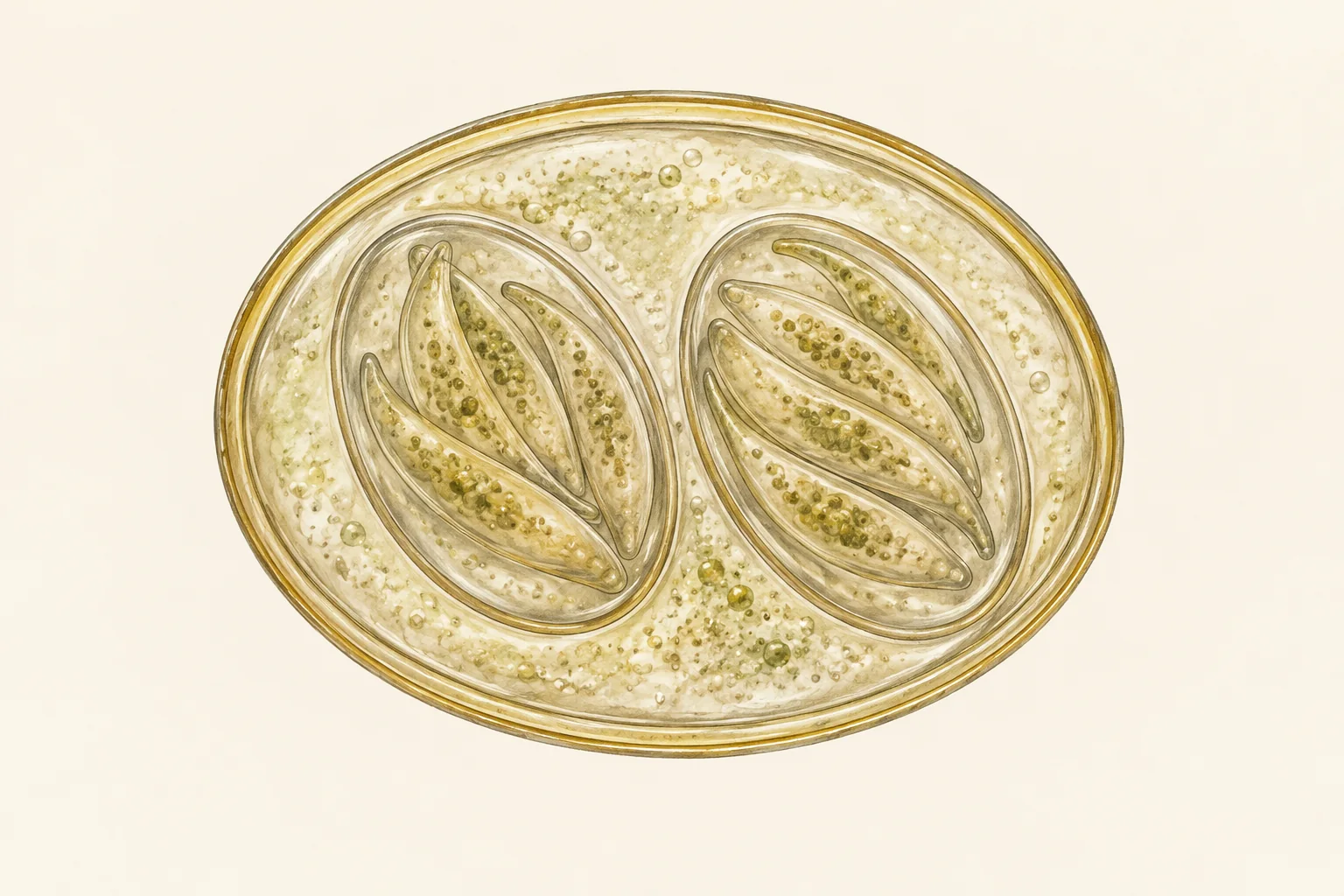
Illustrative
Regular prevention supports a healthier daily life.
01 / A closer look
Internal parasites: a closer look
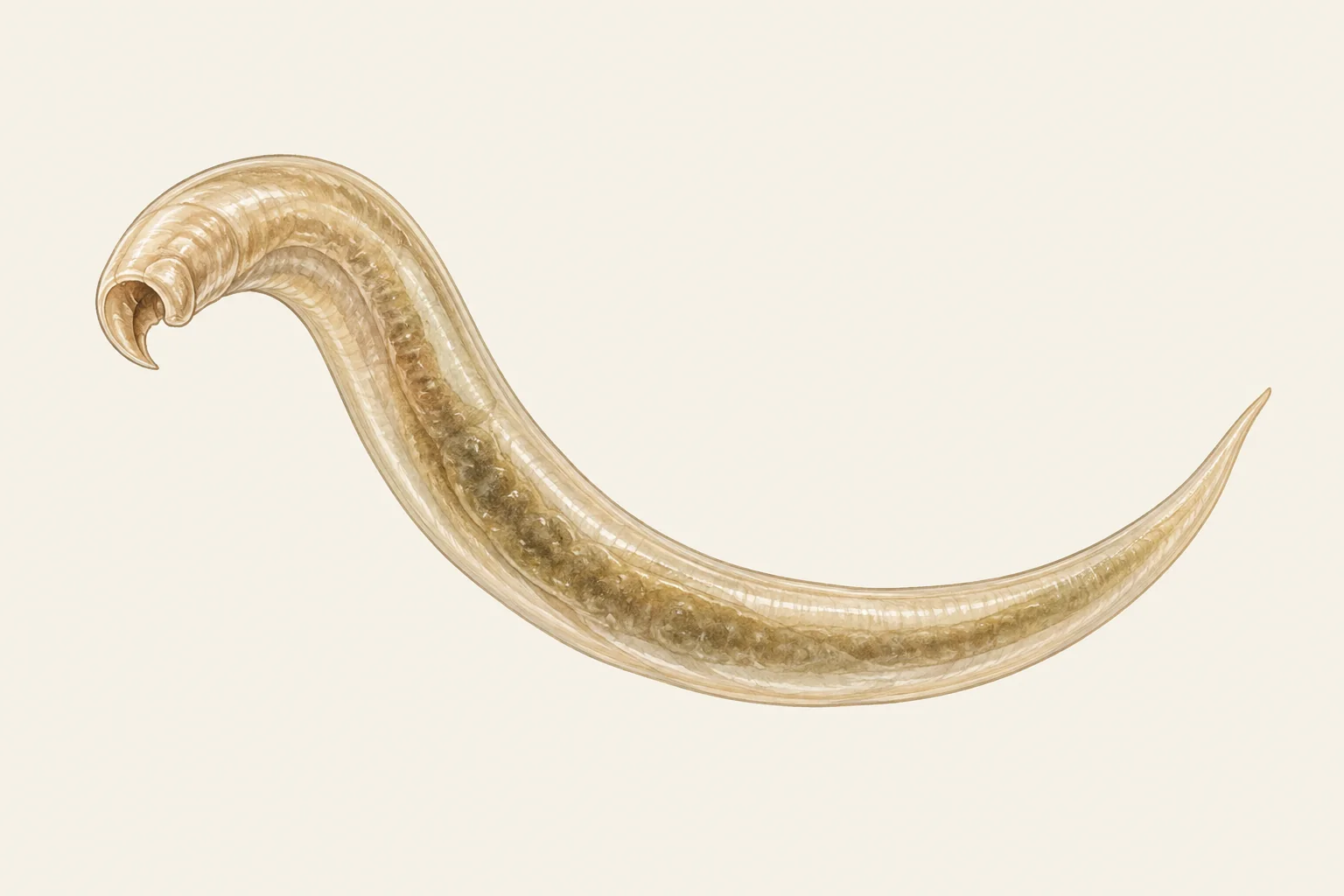
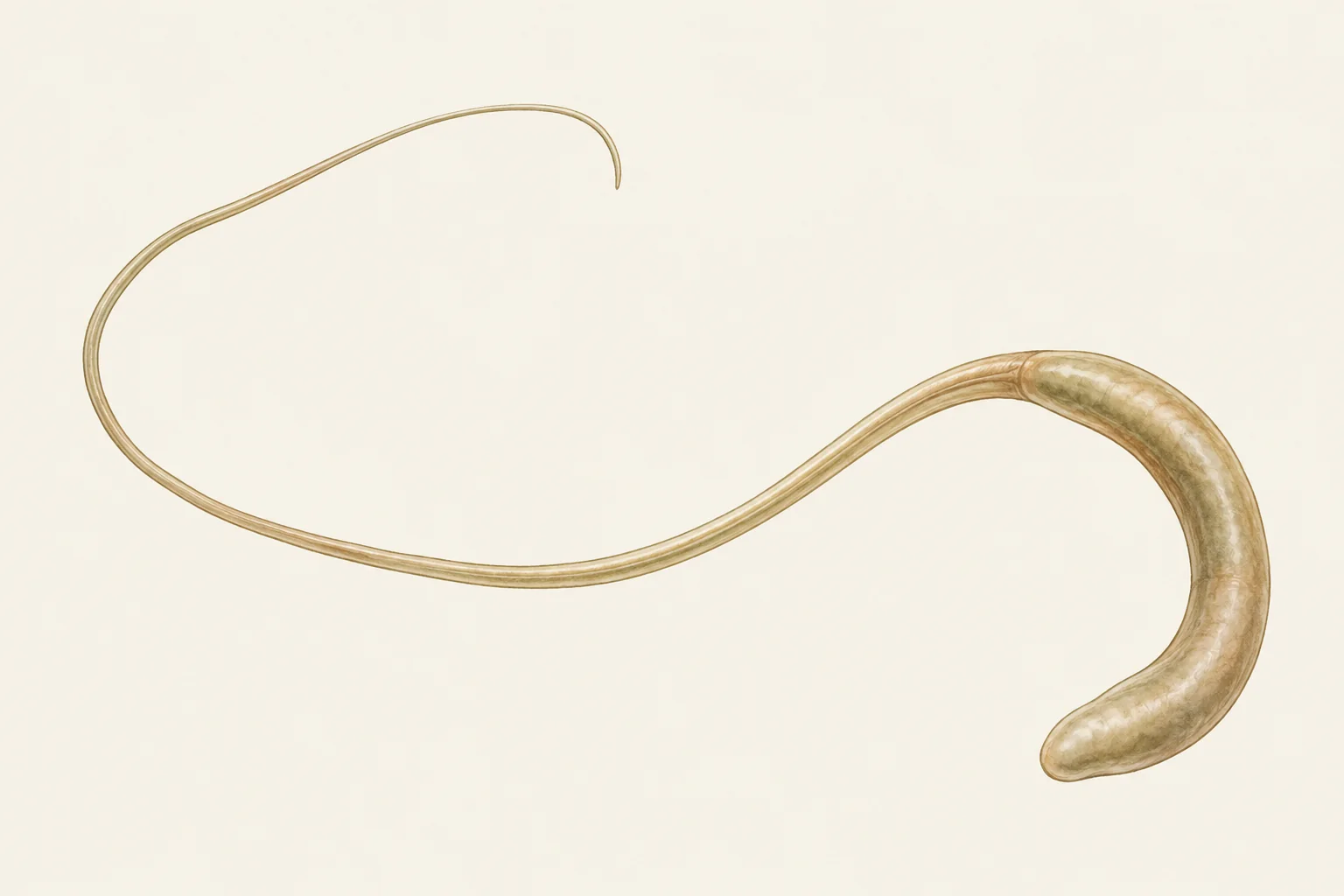
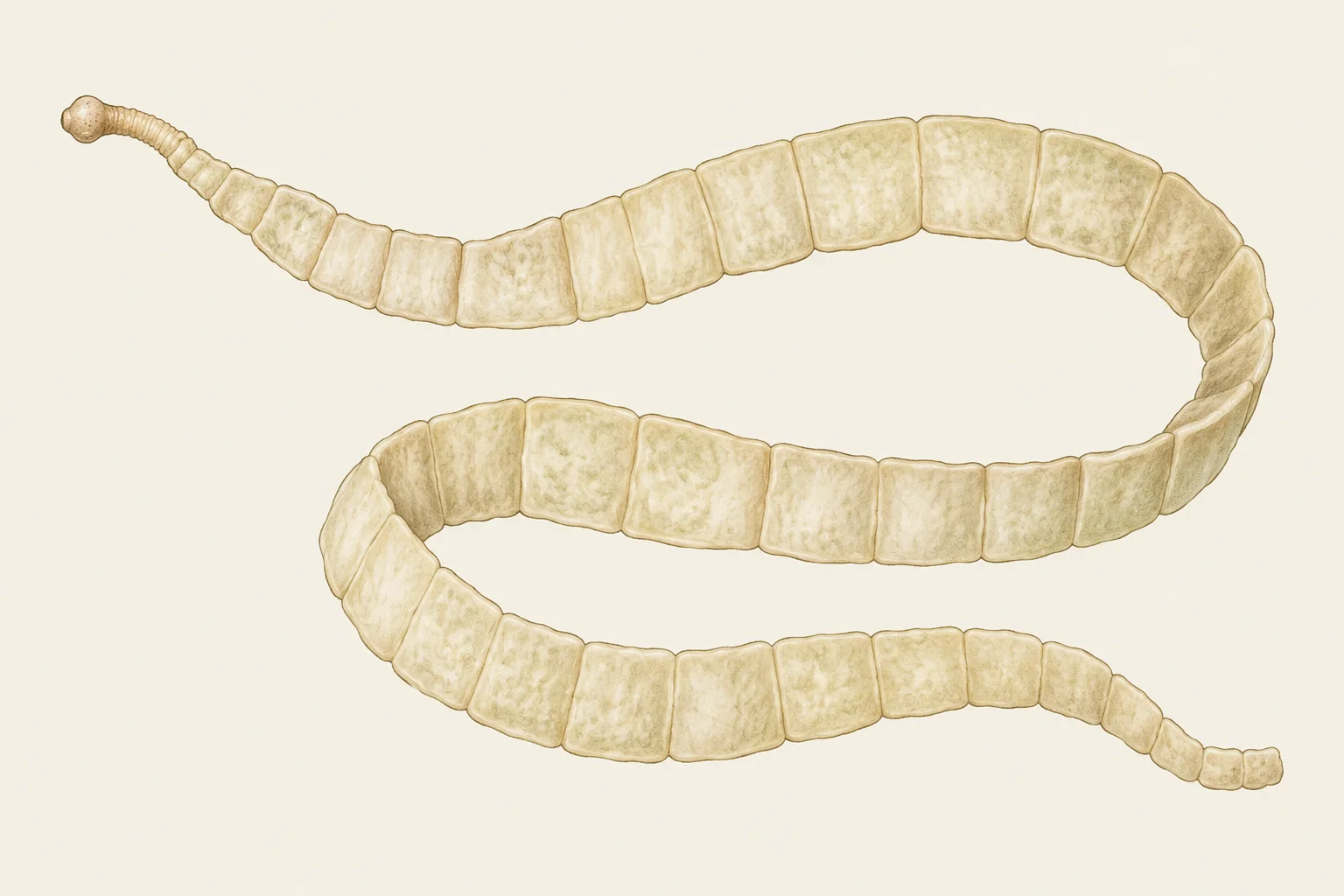
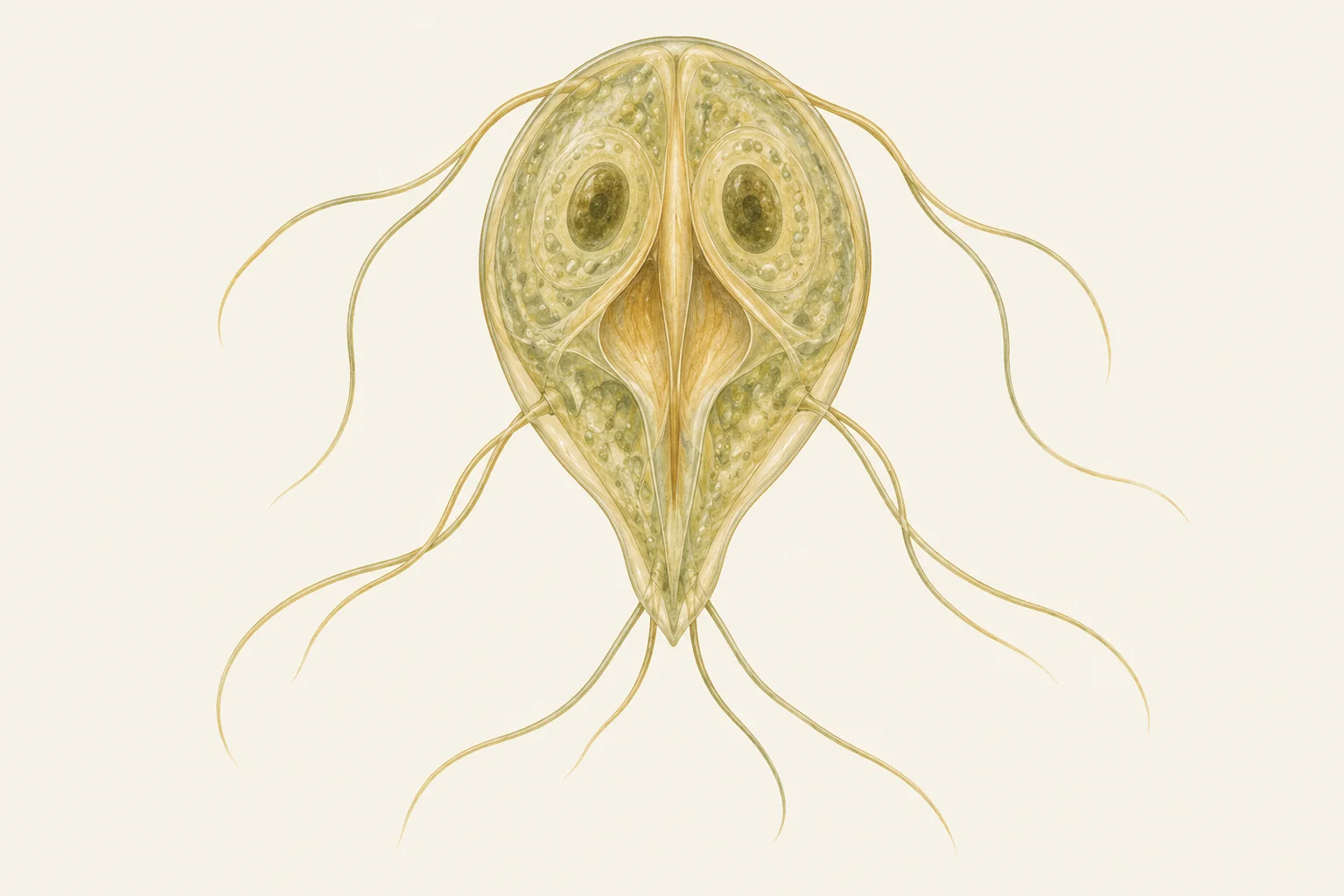
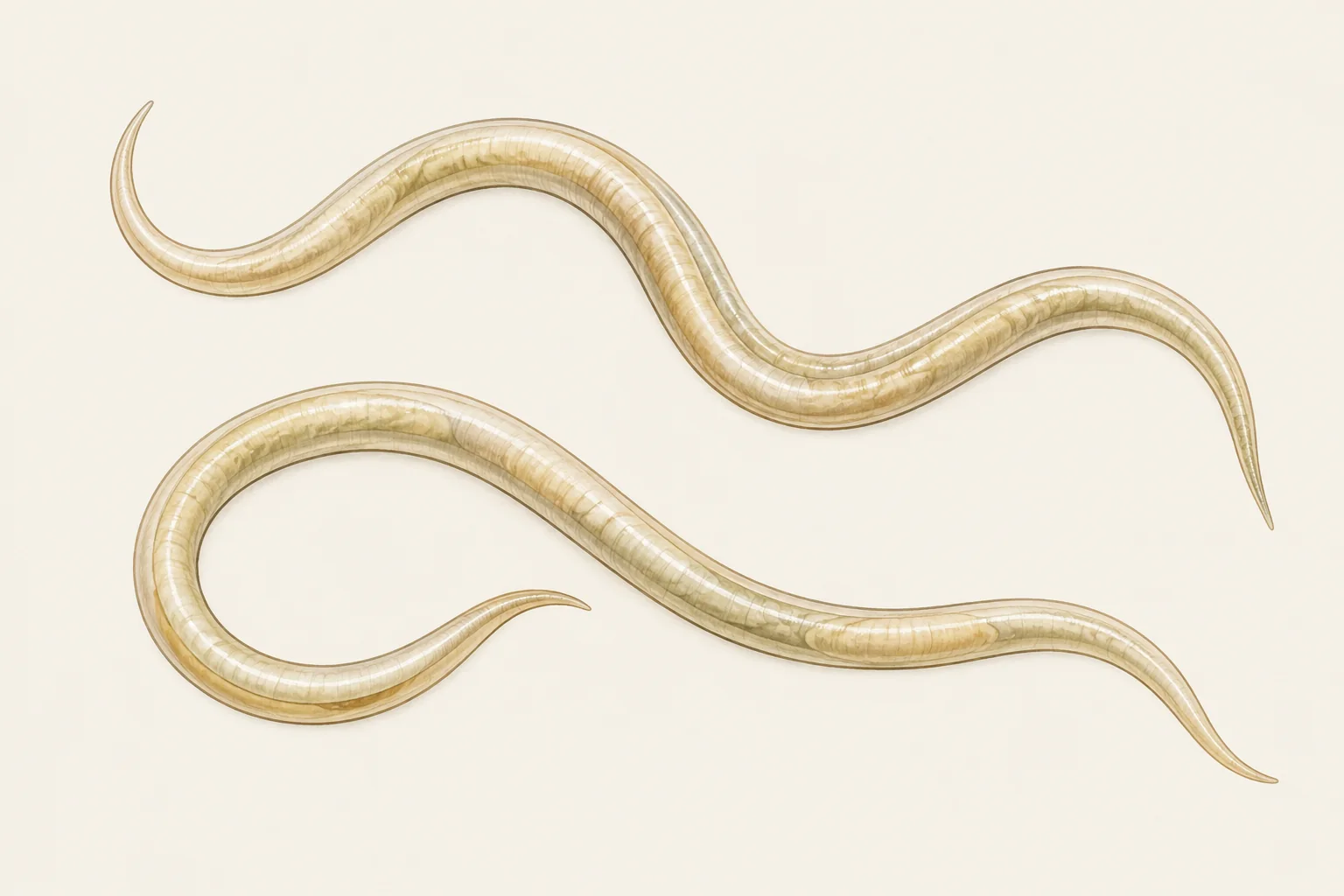
Roundworms, hookworms, whipworms, tapeworms and single-celled organisms such as Giardia differ in their transmission and management. Discussing parasite risk at routine appointments, rather than waiting for symptoms, helps us choose the right approach.
Infective eggs may be swallowed from the environment or larvae acquired by eating infected prey. Toxocara cati may pass to kittens through milk; Toxocara canis may pass to puppies before birth or through milk.
What might you notice?
Young animals may develop a pot-bellied appearance or grow poorly. Infection can also occur without obvious signs.
Dipylidium is acquired by swallowing an infected flea. Other tapeworms may be acquired by eating infected prey or certain raw offal, depending on the parasite.
What might you notice?
Rice-like segments may sometimes be seen near the anus or in stools, but not all tapeworm infections are visible. Flea control and safe feeding are important.
Infective stages may be swallowed from a faecally contaminated environment.
What might you notice?
Cystoisospora can cause diarrhoea, particularly in young animals. Appropriate treatment and environmental hygiene are planned together; not every worming product covers these organisms.
Regular prevention supports a healthier daily life
Regular internal and external parasite treatment is an important part of preventive care. Appropriate intestinal parasite treatment helps control the organisms it targets; external parasite control helps reduce flea- and tick-related risks. Keeping to a plan based on walks, feeding and travel, alongside examinations and stool checks, benefits your dog and the shared environment.
Your vet selects the product and treatment interval according to species, age, weight, lifestyle and the product’s coverage.
02 / Everyday life
Strengthening prevention together
Walks and soil
Contact with contaminated environments, through the mouth or skin depending on the parasite.
Water and feeding
Contaminated water, prey and certain raw offal can pose risks.
Fleas and early life
Swallowing infected fleas; maternal transmission for some species.
What should we watch for?
Recurrent diarrhoea, weight loss, abdominal swelling or poor puppy growth should be investigated. Other conditions can cause similar signs. Scooting alone does not establish a parasite problem; anal gland and skin conditions also need consideration.
What happens at the appointment?
Stool testing is an important part of parasite care. Antigen testing or other methods may be added according to symptoms and the suspected parasite. Egg shedding can be intermittent, so one negative sample may not be enough. Your vet may request samples from different days.
03 / Small steps
Make prevention part of everyday care
Keep internal and external parasite treatments on your veterinary schedule and record repeat dates.
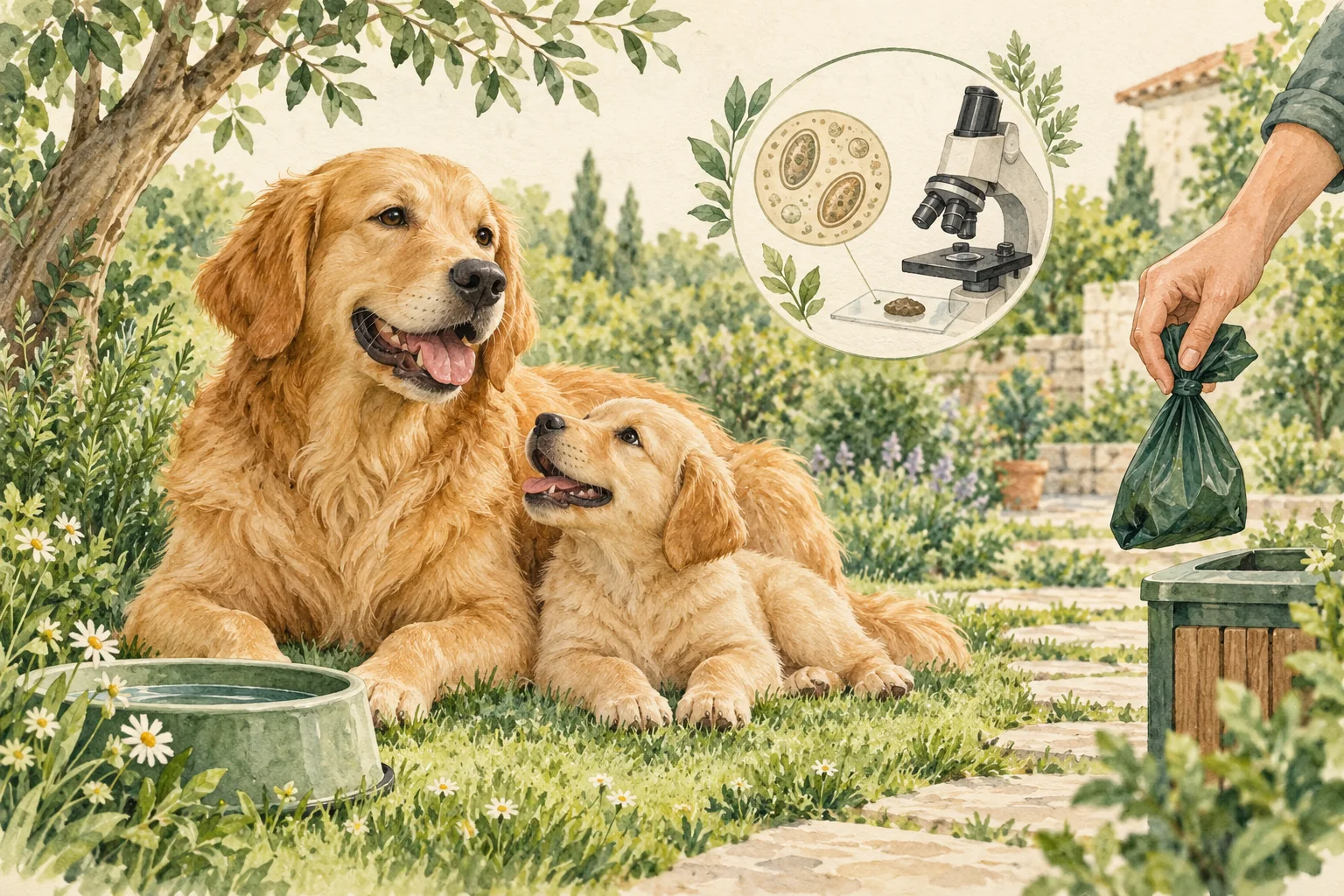
Collect faeces on walks and do not allow them to accumulate in the garden.
Carry clean drinking water and reduce access to dirty or stagnant water.
Prevent access to raw offal and prey.
Discuss travel and other animals in the household at check-ups.
Do all internal parasites live in the intestine?
No. For example, mosquito-transmitted heartworm is not an intestinal worm and requires a different assessment and tests. Travel and location influence this risk. Routine stool examination does not screen for every internal parasite.
When should you seek help promptly?
Contact the clinic the same day for a puppy with diarrhoea and marked weakness, bloody or very dark stools, dehydration or pale gums. Collapse or breathing difficulty requires urgent help.
04 / Your questions
Common questions
Are internal parasites the same in cats and dogs?
Some are shared, while others differ. Toxascaris leonina and flea-transmitted Dipylidium caninum can infect both cats and dogs. Toxocara cati is associated with cats and Toxocara canis with dogs; Cystoisospora species also differ by host. A shared parasite group does not mean that the same product, dose or schedule is suitable. Plans depend on species, age, weight and lifestyle.
Why test when my dog receives preventive treatment?
Products differ in their coverage; new exposures or application problems can occur. Testing helps investigate symptoms and assess whether the plan needs updating.
How can we help protect our family?
Some dog parasites are relevant to human health. Hand washing, prompt faeces collection, preventing children from putting contaminated soil in their mouths and safe feeding all help reduce exposure.
Let’s plan prevention around your pet
Let’s review your pet’s age, lifestyle and previous treatments to plan regular internal and external parasite care.

 Illustrative