External parasites in dogs: prevention for enjoyable walks
PetSmile Oran Clinic ·
External parasite control supports comfortable skin and safer outdoor activity. Flea, tick and mite risks vary with walking areas, contact with animals and travel. Regular internal and external parasite treatments, coat checks and environmental care form a coordinated prevention plan.
Illustrative
Regular treatment, consistent follow-up.
01 / A closer look
External parasites: a closer look
Discussing external parasites during preventive care is useful before itching begins. Ticks do not always cause obvious itching, and fleas may be difficult to find. Coverage and duration vary between products, so treatment schedules need to be tailored to the dog.
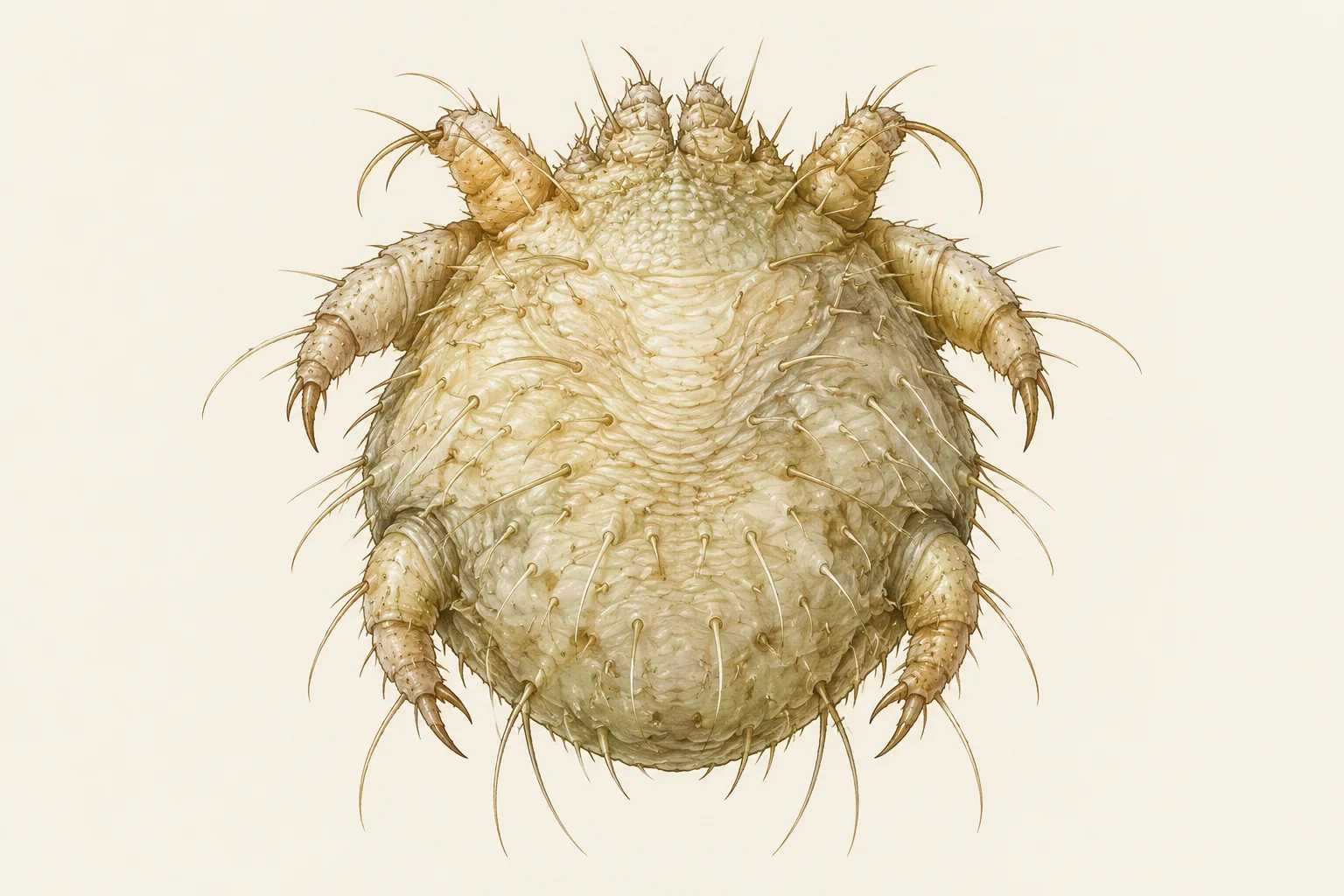
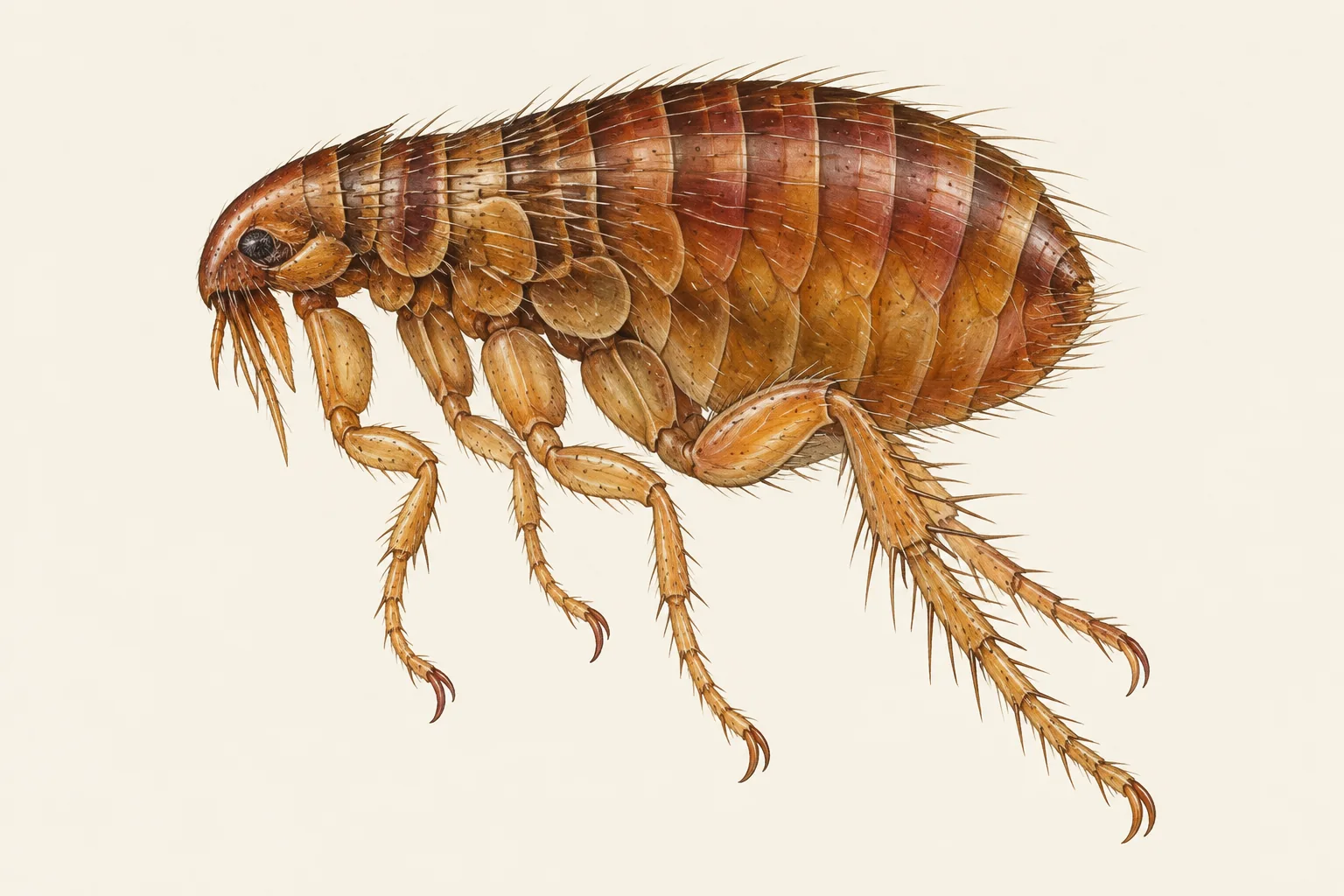
Fleas can be acquired from other animals or the environment. Some stages of their life cycle develop away from the pet.
What might you notice?
Itching and flea-allergic skin disease may occur. Heavy infestations can cause anaemia in young animals; flea control also helps reduce flea-transmitted tapeworm reinfection.
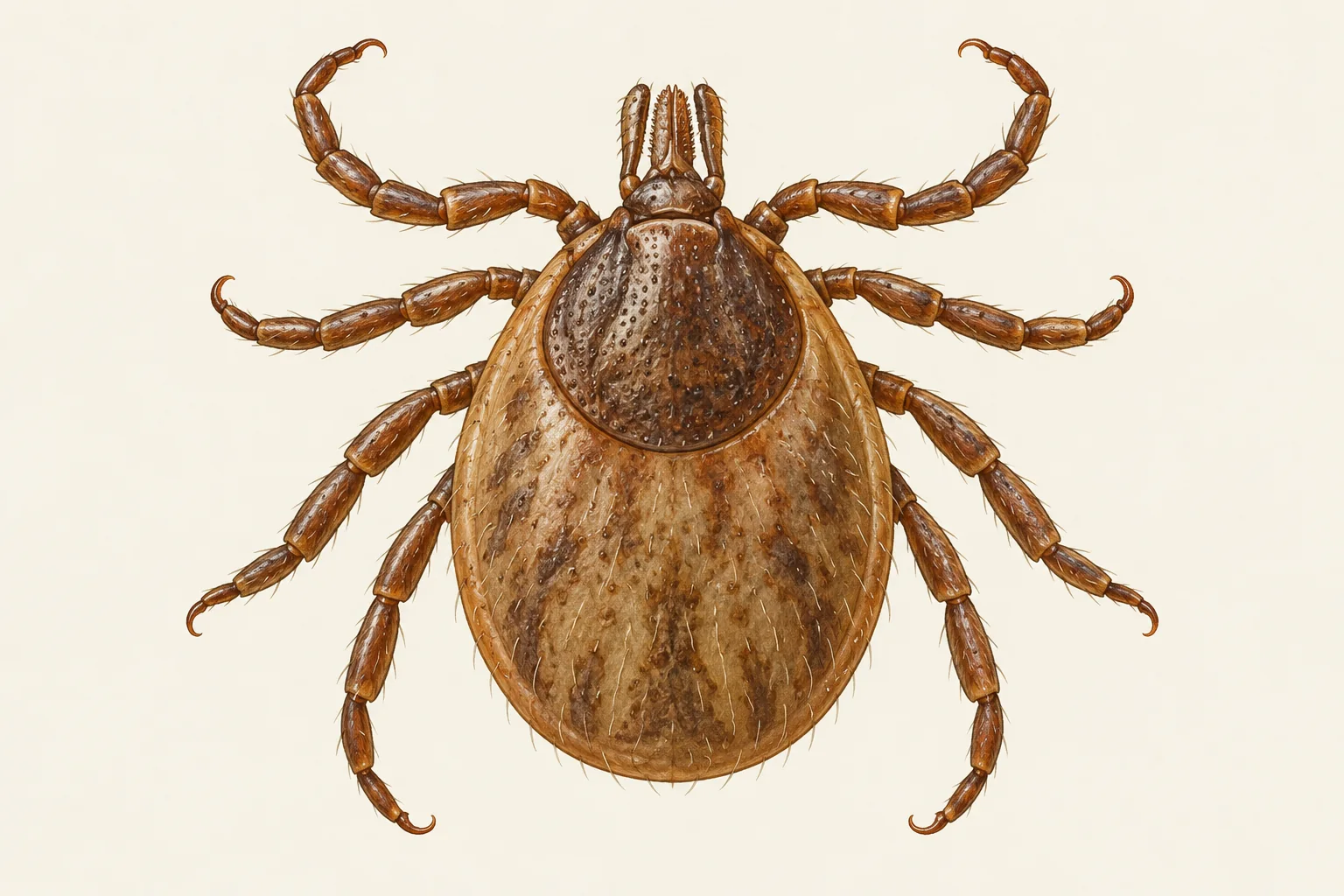
Ticks may attach after contact with vegetation or an environment where ticks are present.
What might you notice?
Some ticks carry infectious organisms, although a tick bite does not always cause disease. Coat checks and appropriate preventive treatment help manage the risk.
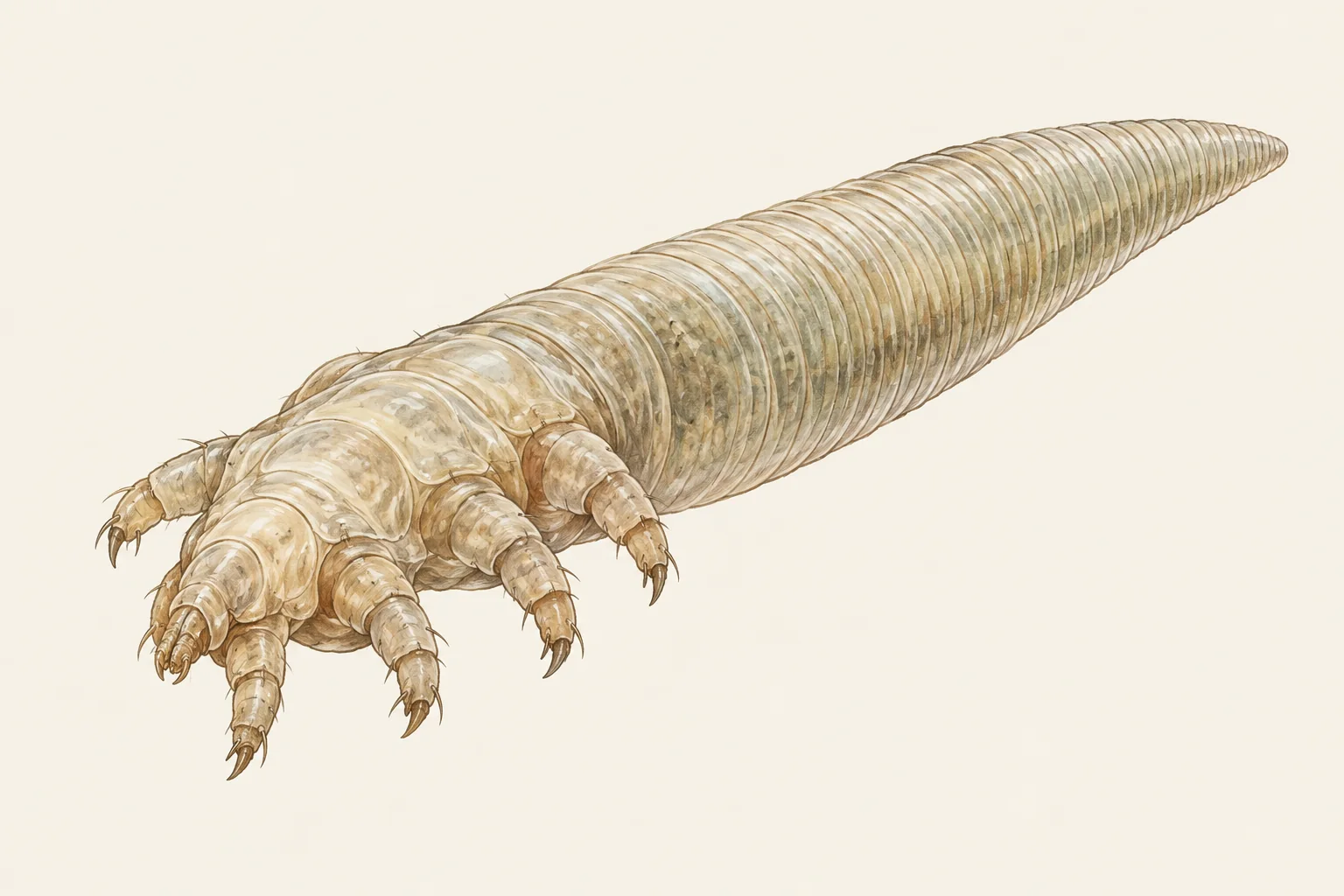
Small numbers can occur naturally on canine skin. Problems develop when mites multiply excessively; canine demodicosis is generally not considered contagious.
What might you notice?
Hair loss and skin changes may occur without itching. Underlying factors are investigated when disease is widespread.
Applying a suitable external parasite product at the recommended intervals helps maintain flea and tick control. Following the plan before itching or visible ticks appear supports skin comfort and helps reduce certain parasite-associated disease risks. Regular internal parasite treatment, coat checks after walks and environmental care complete the preventive routine.
Your vet selects the product and treatment interval according to species, age, weight, lifestyle and the product’s coverage.
02 / Everyday life
Strengthening prevention together
Checks after walks
Look around the ears, neck and between the toes as well as through the coat.
Care at home
Clean bedding and vacuum resting areas.
Schedule and follow-up
Record the product’s coverage and its next application date.
What should we watch for?
Scratching, redness, hair loss or head shaking should be assessed. If you find an attached tick, ask your clinic for removal guidance. Do not apply oil or alcohol or try to burn the tick.
What happens at the appointment?
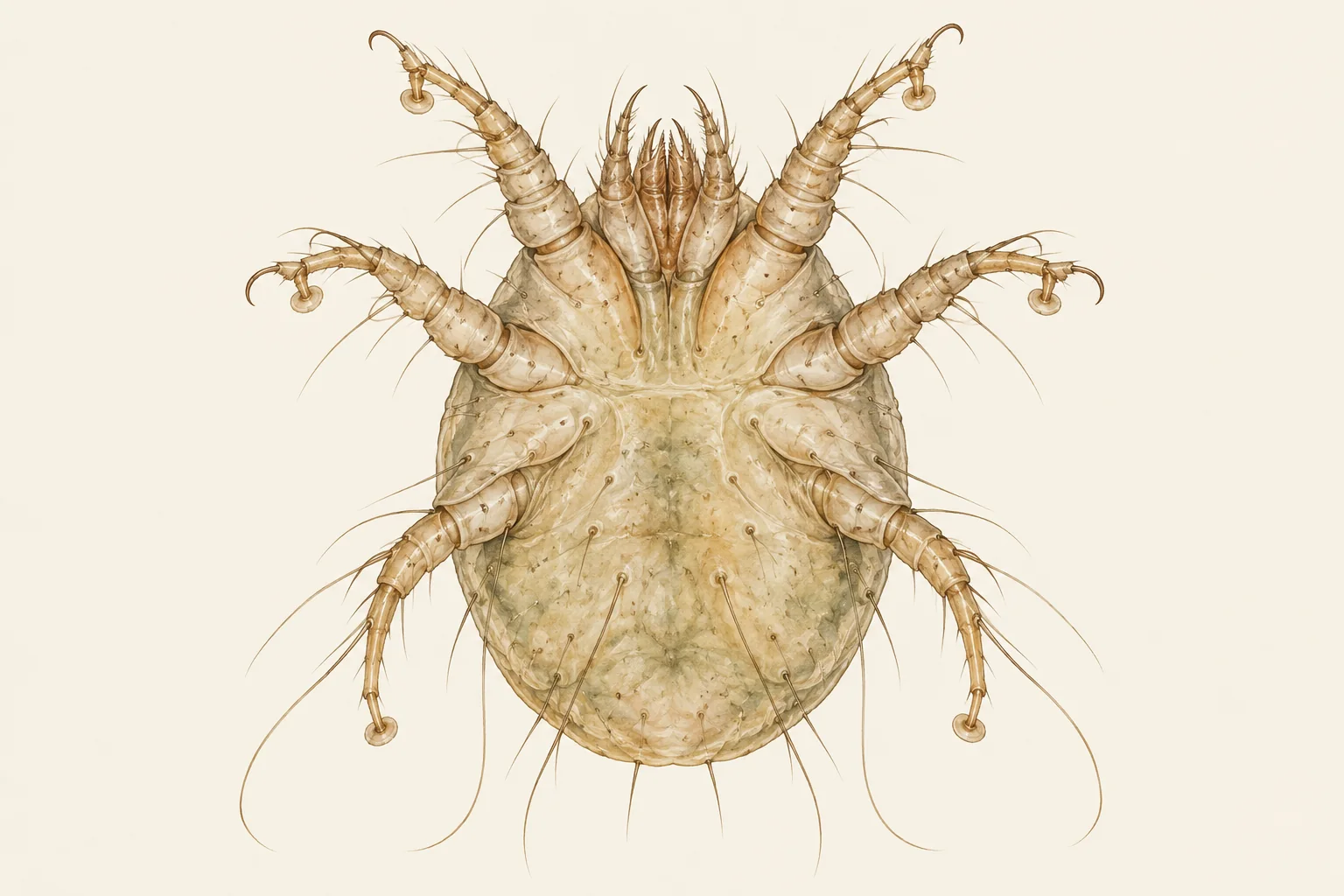
Coat and skin examination may be supported by combing, skin scrapings or ear sample microscopy. Report fever, loss of appetite or marked lethargy after tick exposure. Tests are selected according to the signs and timing of exposure.
03 / Small steps
Make prevention part of everyday care
Keep internal and external parasite treatments on your veterinary schedule and record repeat dates.
Check the coat after walks, particularly through vegetation.
Tell your vet about changes in weight and the last treatment date.
Discuss new animals, boarding and travel in advance.
If you have a cat, ask about safe contact after your dog’s treatment.
Is home cleaning needed when I cannot see fleas?
Removing the fleas on a pet may not be enough. Immature stages in the environment can lead to fleas being seen again. Environmental cleaning and suitable veterinary treatments work together; seeing more fleas does not always mean the product had no effect.
When should you seek help promptly?
Call the clinic for marked lethargy, fever or loss of appetite following tick exposure. Collapse, breathing difficulty or neurological signs after a product application require urgent assessment.
04 / Your questions
Common questions
Can I combine two external parasite products?
Do not combine products or repeat them early unless your vet advises it. Ingredients and intervals differ; more product does not automatically mean better protection.
Can we stop prevention in winter?
Risk is not determined by the calendar alone. Climate, indoor conditions, travel and product characteristics are considered together. Update the plan with your vet rather than stopping it yourself.
Let’s plan prevention around your pet
Let’s review your pet’s age, lifestyle and previous treatments to plan regular internal and external parasite care.


 Illustrative