External parasites in cats: comfortable skin, a calmer life
PetSmile Oran Clinic ·
External parasite prevention helps reduce itching, skin irritation and certain parasite-associated infection risks. A cat-safe product, skin assessment and environmental care work together. Regular internal and external parasite treatments should follow a veterinary schedule tailored to your cat.
Illustrative
Do not wait for itching: keep prevention regular.
01 / A closer look
External parasites: a closer look
Coat checks are helpful when you notice excessive grooming, scratching or head shaking, but not seeing a parasite does not exclude it. Cats may remove fleas while grooming. Allergies, fungal infections and other conditions can also cause skin changes, so an examination helps identify the cause.
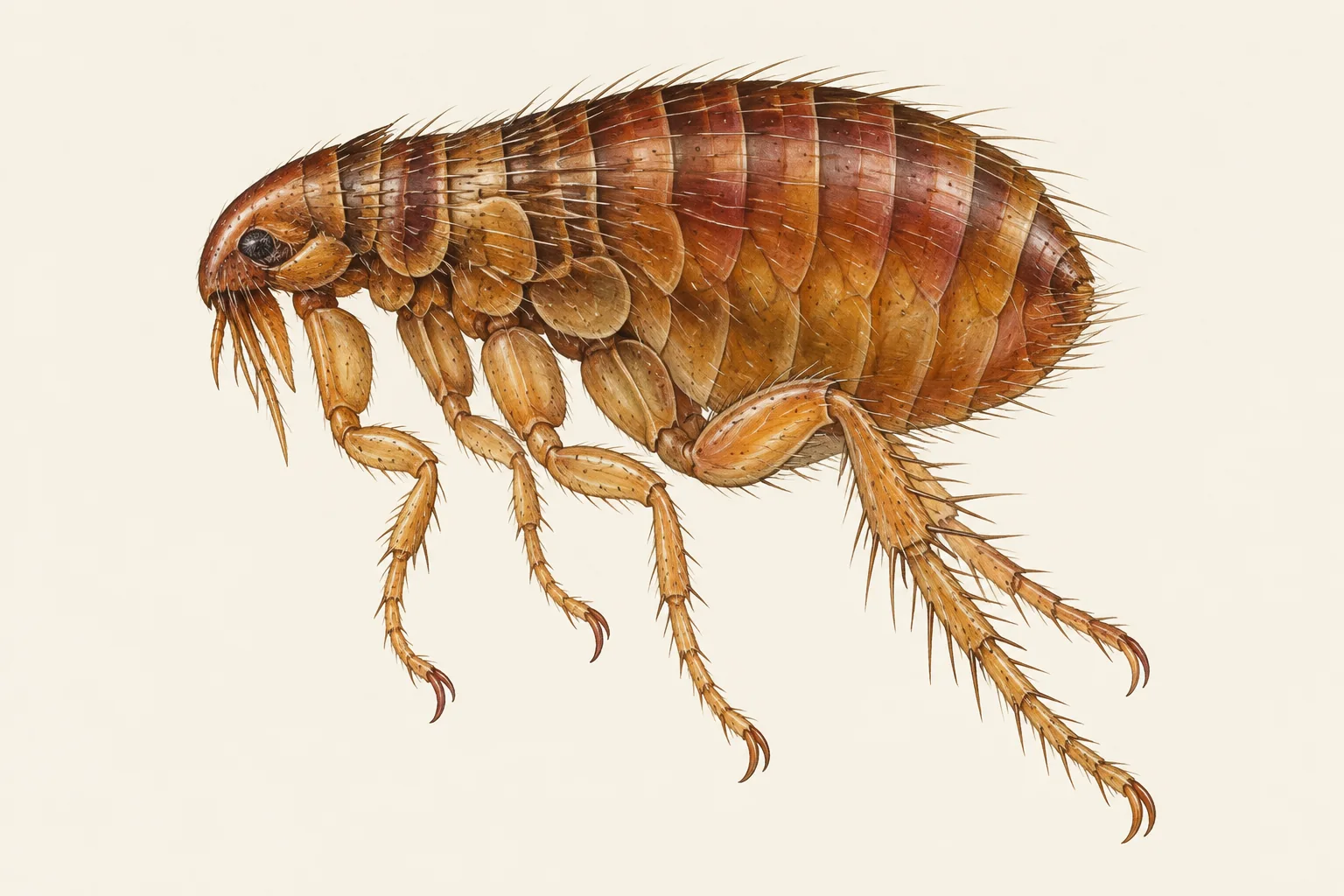
Fleas can be acquired from other animals or the environment. Some stages of their life cycle develop away from the pet.
What might you notice?
Itching and flea-allergic skin disease may occur. Heavy infestations can cause anaemia in young animals; flea control also helps reduce flea-transmitted tapeworm reinfection.
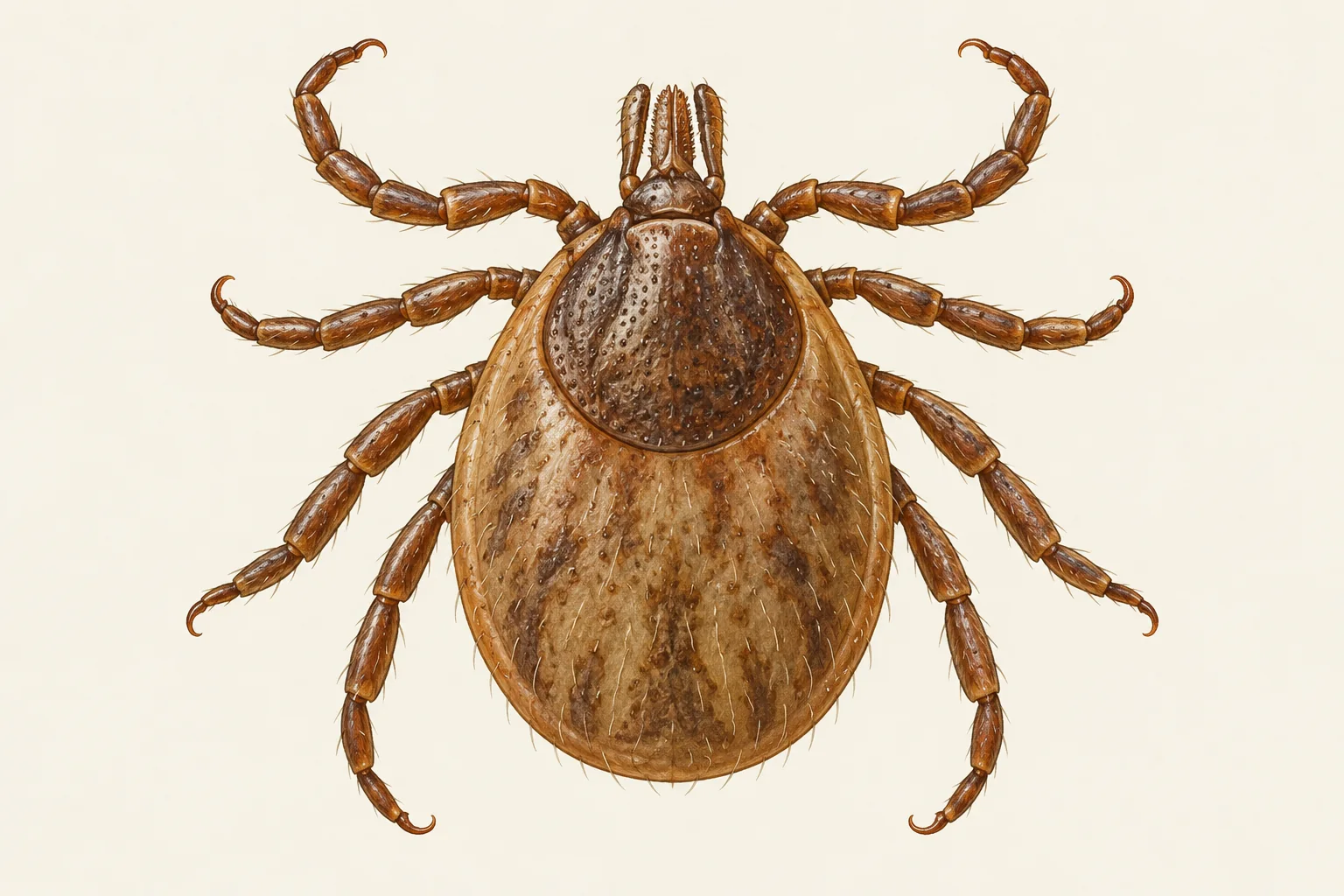
Ticks may attach after contact with vegetation or an environment where ticks are present.
What might you notice?
Some ticks carry infectious organisms, although a tick bite does not always cause disease. Coat checks and appropriate preventive treatment help manage the risk.
Using an appropriate external parasite product at the recommended intervals helps control fleas, ticks and other parasites within that product’s coverage. The aim is to reduce itching, irritation and certain parasite-associated risks. Include regular internal parasite treatment in the same care plan. Indoor cats also need a schedule suited to their circumstances.
Your vet selects the product and treatment interval according to species, age, weight, lifestyle and the product’s coverage.
02 / Everyday life
Strengthening prevention together
Animal contact
Check the skin and ears of new animals joining the household.
The home environment
Care for bedding, carpets and resting areas.
Outdoor exposure
Consider gardens, outdoor access and contact with the surrounding environment.
What should we watch for?
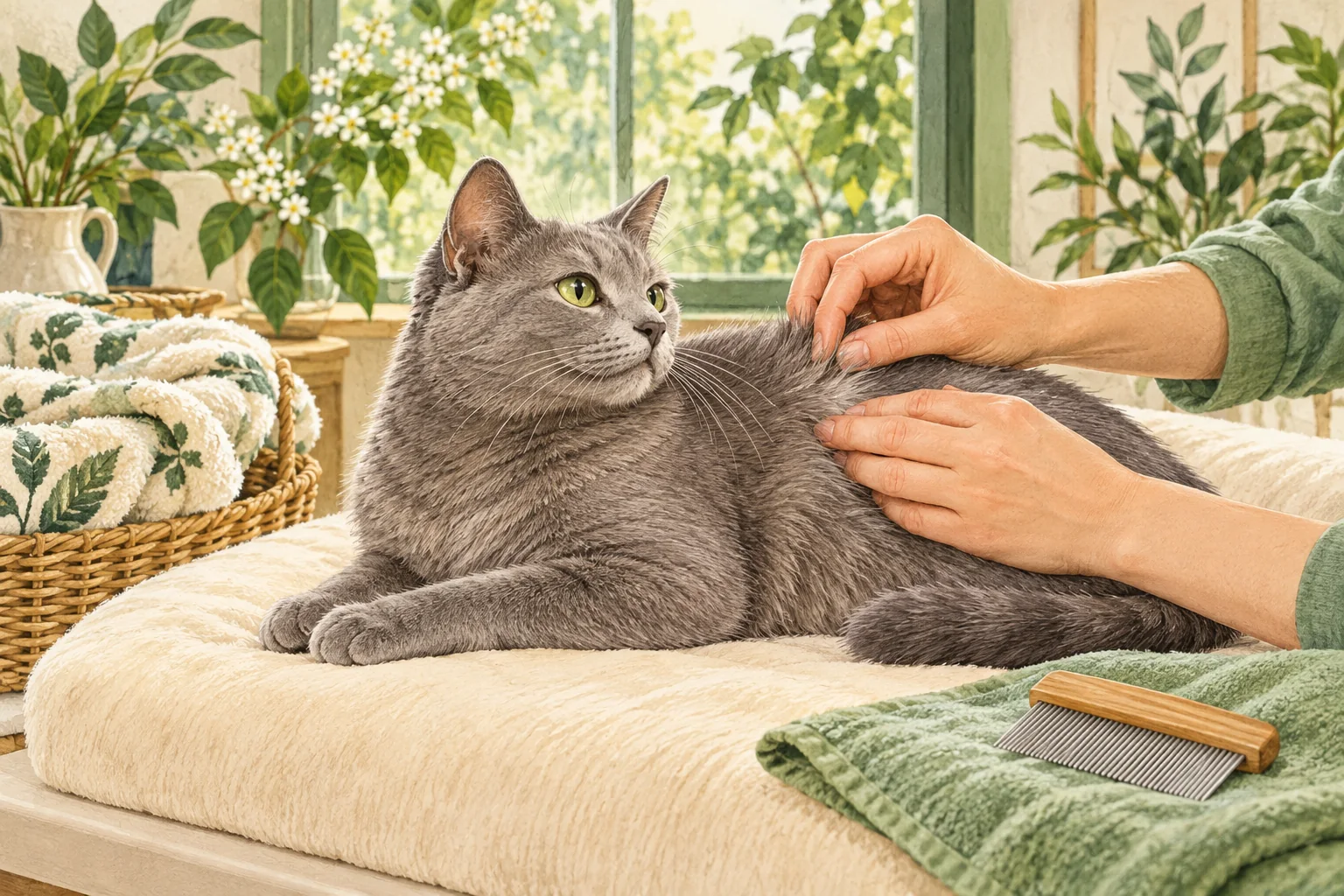
Excessive grooming, thinning fur, small crusts or ear symptoms are reasons to arrange a check. Dark debris found with a flea comb can be a useful clue, but it is not a diagnosis. Photographs and a note of when signs began can help at the appointment.
What happens at the appointment?
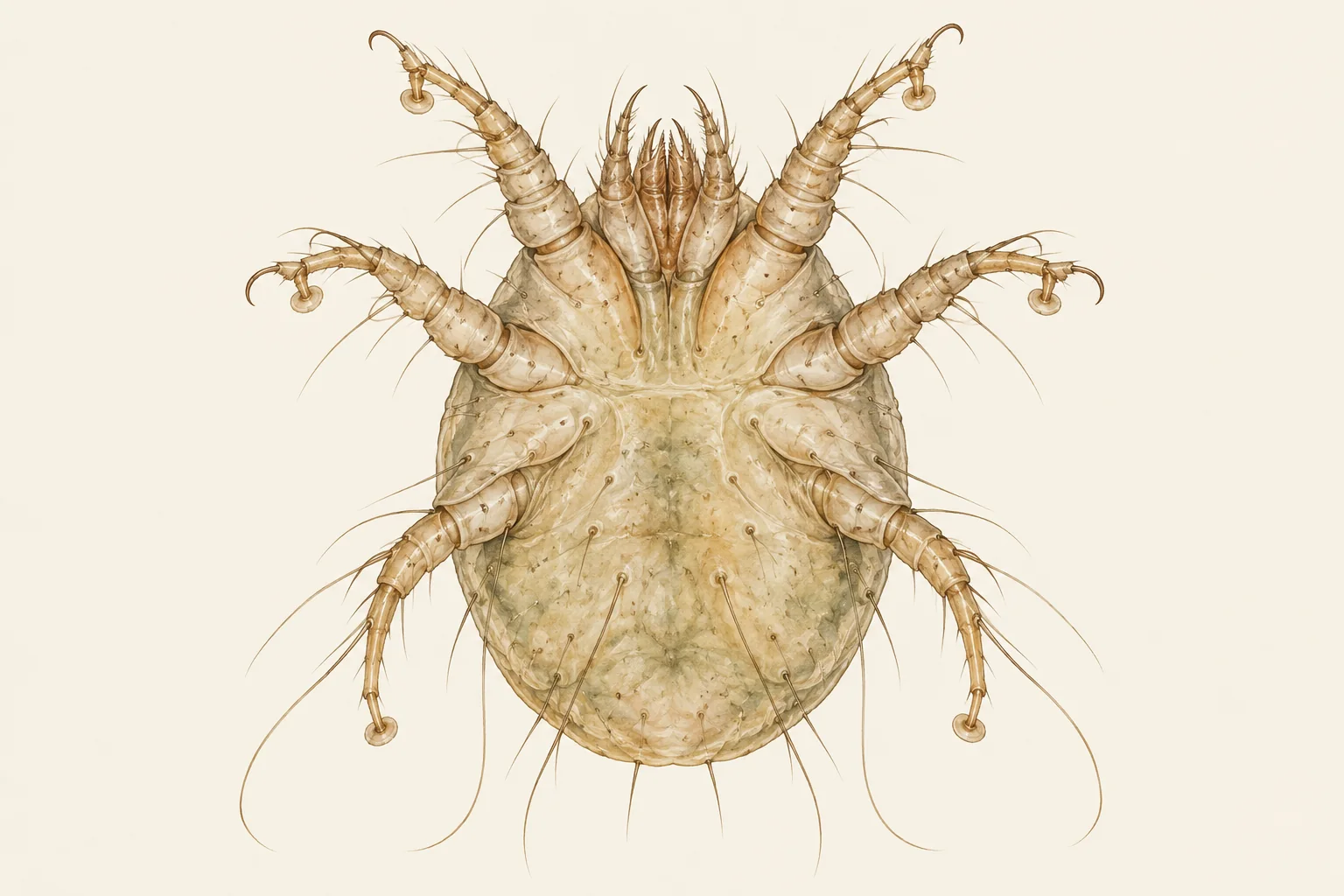
Your vet examines the coat and skin and may use flea combing, skin samples or microscopy of ear material. When parasites are found, the plan considers reinfection and animals in contact as well as the visible problem.
03 / Small steps
Make prevention part of everyday care
Keep internal and external parasite treatments on your veterinary schedule and record repeat dates.
Clean bedding and blankets according to their care instructions.
Vacuum carpets, furniture crevices and resting areas regularly.
Choose a product suited to your cat’s species, weight and age with your vet.
Discuss prevention for other animals at home, including dogs.
Why is product choice different for cats?
Some permethrin-containing dog products can cause severe poisoning in cats. Never use a reduced dose of a dog product on your cat. Contact with a recently treated dog may also be hazardous for certain products; confirm safe contact instructions with your vet and the product label.
When should you seek help promptly?
If the wrong product has been applied or toxic exposure is suspected, call your vet without waiting for symptoms. Trembling, muscle twitching, poor coordination or seizures require emergency assessment.
04 / Your questions
Common questions
Can an indoor cat get fleas?
Indoor living reduces risk, but other animals and environmental exposure mean it is not zero. Your cat’s prevention plan should reflect these conditions.
Does flea control also treat tapeworm?
Flea control helps reduce reinfection with flea-transmitted Dipylidium. An existing tapeworm infection may require separate assessment and appropriate treatment.
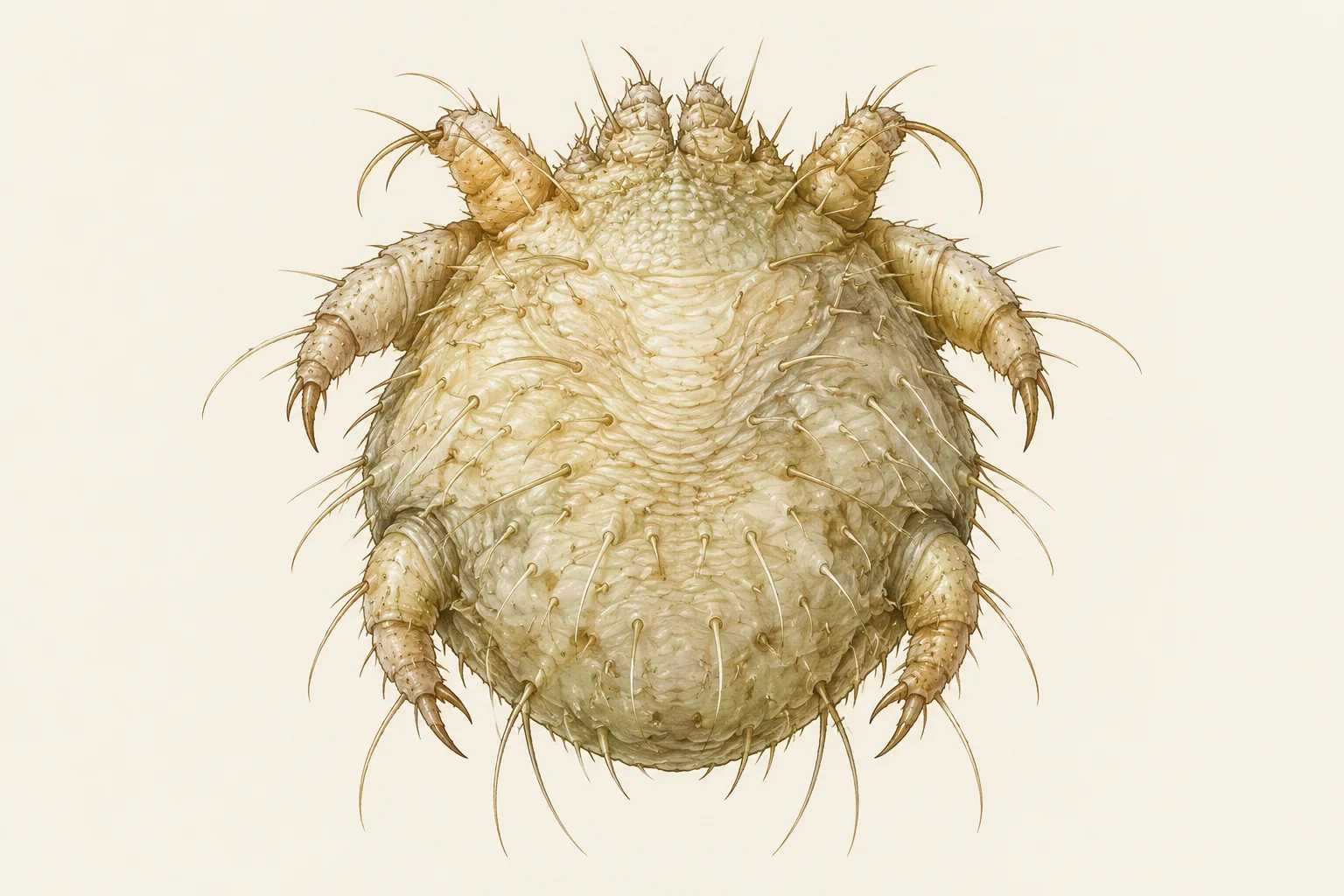
Can cats get lice too?
Yes. Eggs attached to hairs may be confused with dandruff. An examination helps distinguish them. A product suitable for one animal is not automatically suitable for another.
Let’s plan prevention around your pet
Let’s review your pet’s age, lifestyle and previous treatments to plan regular internal and external parasite care.

 Illustrative